Views: 0 Author: Site Editor Publish Time: 2026-04-23 Origin: Site


In France, mosquito protection has become increasingly important, especially in warmer regions where insect activity rises during spring and summer. Whether for homes, apartments, villas, or commercial buildings, installing the right mosquito screen mesh improves indoor comfort while maintaining ventilation.
This guide focuses on mosquito screen mesh in France, covering the best materials, suitable applications, and practical selection advice—while providing fresh content different from previous window screen mesh topics.
France has a varied climate, but many regions experience strong mosquito activity during warmer months, especially in:
Southern coastal areas
River valleys
Rural residential zones
Garden-facing homes
At the same time, French households often prefer to keep windows open for airflow during warm seasons, making mosquito screens an effective and practical solution.
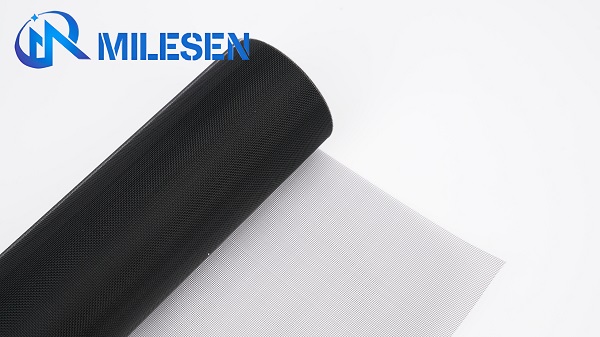
Blocks mosquitoes and flying insects
Maintains fresh air circulation
Reduces reliance on chemical insect repellents
Improves indoor living comfort
Choosing the right screen depends on the window type, local environment, and desired durability.
Fiberglass is one of the most common options for household mosquito protection.
Advantages:
Lightweight
Flexible
Corrosion resistant
Economical
Suitable for:
Standard windows, balconies, and residential doors
Aluminum mesh offers improved structural strength compared to fiberglass.
Advantages:
Better durability
Stable shape
Good airflow
Suitable for:
Long-term residential installations and larger windows
For higher durability and extra strength, stainless steel mesh is often selected.
Advantages:
Strong impact resistance
Long service life
Corrosion resistance
Suitable for:
Ground-floor windows, villas, and security-sensitive areas
Popular in modern French homes, retractable systems combine function with aesthetics.
Advantages:
Space-saving design
Easy opening and closing
Clean appearance
Suitable for:
Patio doors, balconies, and sliding systems
| Material | Durability | Visibility | Flexibility | Cost | Typical Use |
|---|---|---|---|---|---|
| Fiberglass | Medium | High | High | Low | Standard residential use |
| Aluminum | Medium-High | Medium | Medium | Medium | Large windows |
| Stainless Steel | High | Medium | Low | High | Security and long-term use |
| Pleated Mesh | Medium | High | High | Medium | Modern doors/windows |
Mesh density determines how effectively insects are blocked.
18×16 mesh: standard mosquito protection
20×20 mesh: finer protection against smaller insects
For most homes in France, 18×16 mesh is a common balance between airflow and protection.
A screen should allow sufficient ventilation, especially during summer.
Higher airflow helps:
Improve indoor comfort
Reduce humidity buildup
Support natural ventilation
French climate conditions include:
Strong summer sunlight
Rain and seasonal humidity
Choose mesh with:
UV-resistant coating
Corrosion-resistant materials
French buildings may use:
Casement windows
Sliding windows
French doors
Balcony doors
The screen system should match the opening type.
Mosquito mesh is widely installed in:
Apartments
Villas
Holiday homes
Properties near:
Gardens
Water sources
Farms
often require stronger insect protection.
Hotels use mosquito screens to:
Improve guest comfort
Maintain ventilation
Reduce insect complaints
Outdoor and kitchen areas benefit from screens to improve hygiene.
Consumers prefer:
Thin-frame screens
High-visibility mesh
Neutral colors like black or gray
Retractable designs are increasingly popular because they:
Save space
Improve aesthetics
Are easy to use
There is growing interest in:
Long-lasting recyclable materials
Low-maintenance screen systems
Low-cost screens may:
Tear easily
Deform quickly
Have poor UV resistance
Homes in humid or coastal areas need better corrosion resistance.
Even quality mesh performs poorly if not suited to the frame system.
Very dense mesh may reduce airflow unnecessarily.
To maintain performance:
Clean mesh regularly with mild soap and water
Remove dust and debris
Inspect for tears or loose edges
Avoid abrasive cleaning tools
Proper maintenance helps extend service life.
Fiberglass is common for residential use, while aluminum and stainless steel provide higher durability.
An 18×16 mesh is widely used for standard mosquito control.
Yes, retractable systems are increasingly popular for modern homes and patio doors.
Quality mesh maintains good airflow while blocking insects.
Depending on material and conditions:
Fiberglass: several years
Aluminum: longer service life
Stainless steel: longest durability
Selecting the right mosquito screen mesh in France requires balancing insect protection, airflow, durability, and compatibility with local building styles. From standard fiberglass to retractable and stainless steel options, each material offers specific advantages depending on the application.
By understanding the environmental conditions, mesh specifications, and installation needs, homeowners and builders can choose an effective mosquito screen solution that improves indoor comfort throughout the warmer seasons.