Views: 0 Author: Site Editor Publish Time: 2026-04-15 Origin: Site


Window screen mesh is an essential product used in residential, commercial, and industrial buildings to allow airflow while preventing insects, debris, and small animals from entering indoor spaces. A reliable window screen mesh manufacturer provides durable materials, precise weaving technology, and customizable specifications suitable for different environments.
Modern window screen mesh is widely used in homes, offices, factories, greenhouses, and agricultural buildings. Manufacturers produce screens using various materials such as fiberglass, aluminum, stainless steel, and polyester to meet different performance requirements.
Window screen mesh (also known as insect screen mesh or fly screen mesh) is a woven or knitted mesh material stretched across a window frame to provide ventilation while blocking insects, leaves, and other debris.
The mesh allows fresh air and natural light to pass through while maintaining indoor comfort and cleanliness. It is commonly installed in:
Residential windows
Doors and patio enclosures
Ventilation openings
Industrial buildings
Agricultural greenhouses
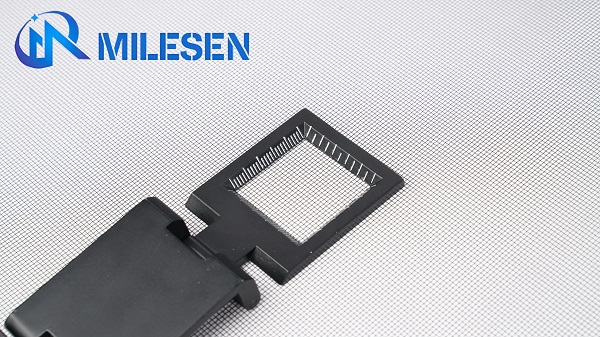
Different mesh materials offer different performance characteristics such as strength, visibility, corrosion resistance, and cost.
Fiberglass mesh is the most widely used window screen material due to its flexibility and affordability.
Advantages:
Lightweight and flexible
Resistant to rust and corrosion
Good visibility and airflow
Economical for large installations
Fiberglass screens are commonly used for residential window replacements and new construction projects.
Aluminum mesh is stronger and more durable than fiberglass.
Benefits include:
High mechanical strength
Long service life
Resistance to sagging
Easy cleaning and maintenance
Aluminum screens are often used in windows, sliding doors, and commercial buildings where durability is important.
Stainless steel mesh provides superior strength and corrosion resistance.
Typical features:
High tensile strength
Excellent weather resistance
Long lifespan in outdoor environments
Security protection for buildings
This type of mesh is often used in security screens, industrial buildings, and coastal regions.
Polyester screen mesh is designed for applications requiring additional durability.
Advantages:
Tear resistance
Stronger than standard fiberglass
Suitable for homes with pets
Longer lifespan in heavy-use areas
Professional manufacturers offer a wide range of specifications to meet different project requirements.
| Parameter | Typical Specification |
|---|---|
| Material | Fiberglass / Aluminum / Stainless Steel / Polyester |
| Mesh Count | 14×14, 18×16, 20×20 |
| Wire Diameter | 0.18 mm – 0.40 mm |
| Roll Width | 0.6 m – 3.0 m |
| Roll Length | 30 m – 100 m |
| Color | Black / Gray / Charcoal / Custom |
| Weave Type | Plain weave |
A standard mesh count of 18×16 is widely used for window screens because it balances airflow with effective insect protection.
Choosing the right mesh material depends on environmental conditions, durability requirements, and budget.
| Material | Advantages | Limitations | Typical Applications |
| Fiberglass Mesh | Lightweight, affordable, corrosion resistant | Lower strength | Residential window screens |
| Aluminum Mesh | Strong, durable, good visibility | Slightly higher cost | Doors, windows, commercial buildings |
| Stainless Steel Mesh | High strength, security protection | Higher cost | Security screens, industrial use |
| Polyester Mesh | Tear resistant, pet-proof | Less rigid | Pet doors, heavy-use areas |
Professional window screen mesh manufacturers typically follow these production steps:
Raw materials such as fiberglass yarn or metal wire are prepared to the required diameter.
Automated looms weave the fibers or wires into mesh with precise opening sizes.
Metal mesh may undergo protective treatments such as coating or painting to improve corrosion resistance.
The mesh is cut to standard widths and rolled into packaging for shipping and installation.
Manufacturers test mesh strength, coating adhesion, and dimensional accuracy before shipment.
Window screen mesh is used in many industries beyond residential housing.
Window insect protection
Balcony and patio screens
Sliding door screens
Office ventilation systems
Hotel and restaurant windows
Shopping mall entrances
Pest control for crops
Ventilation systems for greenhouses
Poultry and livestock buildings
Air ventilation protection
Equipment shielding
Dust and debris barriers
When selecting a window screen mesh supplier, consider the following factors:
Manufacturers with advanced weaving equipment can provide consistent quality and large-scale production.
High-quality raw materials ensure durability and long service life.
Reliable suppliers offer customized mesh sizes, roll widths, and colors.
Manufacturers with international trade experience can provide efficient logistics and global delivery.
Fiberglass mesh is the most commonly used material because it is affordable, flexible, and resistant to rust.
A typical mesh size is 18×16, which provides good airflow while blocking most insects.
Stainless steel mesh offers the highest strength and durability.
Yes. Manufacturers can customize mesh size, roll width, color, and material according to project requirements.
Aluminum mesh is stronger and more durable, while fiberglass mesh is more flexible and economical.
A professional window screen mesh manufacturer provides high-quality screening materials that improve ventilation, insect protection, and building comfort. By offering various materials such as fiberglass, aluminum, stainless steel, and polyester, manufacturers can supply customized mesh solutions for residential, commercial, and industrial applications.
Selecting the right mesh material, mesh count, and manufacturer ensures long-term durability and effective insect protection for windows, doors, and ventilation systems.